


Analyzer (Video)
Reliable video measurement starts with the ability to see, quantify, and compare what is happening inside a signal path. In broadcast engineering, display development, AV integration, and production testing, the right analysis tool helps teams move beyond simple viewing and into repeatable, data-based evaluation. That is where Video Analyzers become an essential part of the workflow.
On this category page, you can explore instruments used to assess video signal integrity, confirm format behavior, support troubleshooting, and improve confidence during verification. Whether the task involves lab measurement, manufacturing inspection, or system-level diagnostics, these analyzers are used to turn visual performance into measurable information.
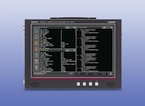
Where video analyzers fit in a test workflow
A video analyzer is typically used when engineers need more than a monitor or waveform display alone. In many environments, the goal is to identify timing issues, signal degradation, compliance concerns, or performance differences between devices and transmission paths. This makes the analyzer a practical tool for both development and routine verification.
Within a broader measurement setup, video analyzers often work alongside a video signal generator to create controlled test conditions. A known input signal can be applied to the device under test, while the analyzer checks output behavior, making the overall process more structured and easier to reproduce.
Typical applications in engineering and production
Use cases for video signal analysis vary by industry, but they usually involve one of three goals: validation, troubleshooting, or quality control. In R&D, teams may evaluate how a device processes specific video formats or reacts to changes in resolution, timing, or signal conditions. In service and maintenance, the analyzer helps isolate faults that are difficult to detect through visual inspection alone.
In manufacturing and system integration, analyzers are often used to support acceptance testing and process consistency. They can help teams compare expected behavior against actual output, confirm stable operation across repeated units, and document results when traceability matters. For applications that also require inspection of transmission media, a related video cable tester may be useful for checking the physical link itself.
What to consider when selecting a video analyzer
Choosing the right instrument starts with the measurement objective. Some buyers need a tool focused on signal verification and fault finding, while others need support for deeper image assessment, format checking, or production-line testing. The best choice depends on the signal types being handled, the required level of analysis, and how the instrument will be used in the wider test environment.
It is also important to consider workflow requirements such as repeatability, operator skill level, and integration with surrounding equipment. In a lab, a more feature-rich platform may be appropriate for detailed investigation. On a production floor, speed, consistency, and ease of operation may be more important than broad configurability. Looking at the actual test sequence often gives a clearer answer than comparing features in isolation.
Analyzer functions in practical terms
In day-to-day work, a video analyzer helps engineers answer practical questions: Is the signal present and stable? Does the output match the intended format? Are there visible or measurable changes introduced by a device, cable path, or conversion stage? By turning these checks into objective measurements, the tool supports faster decisions and reduces dependence on subjective visual judgment.
Some workflows also require a combination of signal-level and image-level evaluation. In such cases, analysis may extend beyond basic verification toward picture quality review or library-based comparison methods. If your process includes visual reference management or repeatable image comparison, the picture evaluation library tools in the same equipment family may provide useful context.
How video analyzers support troubleshooting
When a video system behaves unpredictably, problems can originate from the source, the transmission path, intermediate processing, or the display endpoint. A measurement-based troubleshooting approach helps narrow down the root cause more efficiently than swapping equipment at random. By checking behavior at different points in the chain, technicians can identify where the signal changes or where performance falls outside expectations.
This is especially valuable in multi-device installations where several components interact. An analyzer can help separate signal issues from control issues, content issues, or hardware faults. In larger setups, remote operation may also matter for convenience and workflow efficiency, which is why some users also look at solutions such as remote video test accessories when organizing distributed measurement points.
Category scope and buying relevance
This category is intended for users who need equipment specifically dedicated to video analysis and verification. It is relevant for engineers, test managers, integrators, and technical procurement teams looking for tools that support objective assessment rather than simple signal generation or passive viewing. If the requirement is to inspect, diagnose, compare, or validate video behavior, an analyzer is usually the most direct starting point.
Because application needs can differ widely, it is useful to evaluate products in terms of the actual environment: development bench, QC station, service department, or automated production process. Thinking in terms of use case helps filter the category more effectively and leads to a better match between instrument capability and real operational needs.
Finding the right place for an analyzer in your setup
A well-chosen analyzer improves more than measurement accuracy; it also strengthens the consistency of testing across teams and projects. When combined with the right supporting tools, it can help create a clearer and more efficient video test workflow from initial validation to fault isolation and final verification.
If you are comparing options in this category, focus on the signals you need to assess, the level of detail required, and how the instrument will be used alongside other video measurement equipment. That approach usually leads to a more practical selection and a testing process that is easier to scale, document, and maintain over time.
-
-
-
-
-
-
-
-
-
-
-
-
-
-
-
-
-
-
-
-
-
-
-
-