


Mask making machine
When production teams need to scale mask output, improve process consistency, or reduce manual handling, choosing the right equipment becomes a practical manufacturing decision rather than a simple machine purchase. This category brings together mask making machine solutions for different production stages, from flat surgical mask forming to N95-style mask production, ear loop welding, and UV sterilizing as part of the downstream workflow.
For B2B buyers, the main question is usually not just capacity. It is how well the equipment fits the required mask type, production layout, automation level, and quality control process. The machines listed here are suited to manufacturers looking for repeatable production with ultrasonic welding, automated forming, and integrated or semi-integrated handling depending on the line configuration.
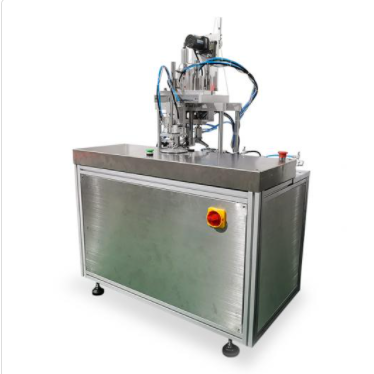
Production scope covered in this category
This category includes equipment for several common mask manufacturing scenarios. That includes machines for flat folding mask production, high-speed surgical mask lines, N95 or KN95-type mask manufacturing, ear loop welding stations, and UV sterilizing equipment used after mask production or before packing, depending on the process setup.
Instead of treating mask manufacturing as one single machine type, it is more useful to view it as a process chain. Some operations focus on feeding, folding, pressing, molding, and cutting, while others complete the product through ear band attachment or post-production treatment. This makes it easier for buyers to select either a complete line or a targeted machine for a bottleneck operation.
Typical machine types and where they fit
For surgical and flat masks, automatic and semi-automatic systems serve different production needs. The GESTER MKM-10 High Speed Automatic Surgical Mask Making Machine is aimed at higher throughput environments where continuous production and integrated processing are important. In contrast, the GESTER MKM-11 Semi Automatic Surgical Tie On Mask Making Machine is better suited when the workflow still involves manual assistance or where production flexibility matters more than full-line automation.
Flat folding mask production is also represented by the GESTER MKM-11 Full Automatic Flat Folding Mask Making Machine. Its servo-based configuration and PLC touch screen control reflect the type of setup often preferred in facilities that want stable process control and easier operator interaction. For respirator-style output, the GESTER MKM-12 N95 Face Mask Making Machine Fully Automatic is designed for masks such as N95, FFP, KN95, and PM2.5 types.
Downstream operations are equally important. The GESTER MKM-13 Automatic Ultrasonic Mask Ear Loop Welding Machine and the GESTER MKM-13-2 Semi Automatic Ear Band Ultrasonic Welding Machine support the ear attachment step, which directly affects usability and product consistency. The GESTER MKM-14 Surgical Mask UV Sterilizer adds a post-processing option where controlled conveyor handling and UV exposure are part of the workflow.
How to choose the right mask making machine
The first selection factor is the mask format you need to produce. Flat disposable masks, tie-on surgical masks, and N95 or KN95-style masks require different forming methods, welding arrangements, and line layouts. A machine that performs well for flat folding output may not be suitable for cup-style or filtering-facepiece production requirements.
The second factor is automation level. A fully automatic line can support higher output and more standardized production, but it also requires the right upstream material handling, floor space, and operator support. Semi-automatic machines are often chosen when companies want lower initial complexity, added flexibility, or a way to expand production in stages.
Capacity should also be matched to the full process, not only to the fastest machine in the line. If mask body production runs faster than ear loop welding or sterilizing, the real line output will be limited by the slowest stage. This is why buyers often compare each step together rather than selecting equipment in isolation.
Why ultrasonic welding matters in mask production
In many mask manufacturing lines, ultrasonic welding is a key process because it supports efficient bonding without conventional sewing. It is commonly used for joining layers, attaching ear loops, and helping maintain a cleaner and more repeatable production method for disposable mask formats.
Machines such as the GESTER MKM-13 and MKM-13-2 illustrate the difference between automatic and semi-automatic welding stations. The choice between them depends on operator involvement, expected output, and whether the welding station is being added to a new line or integrated into an existing process. For buyers evaluating sealing quality or material behavior, related test workflows may also involve tools used in water vapor transmission rate testing or oxygen permeation analysis when barrier performance is part of the broader material evaluation.
Manufacturer focus: GESTER solutions for mask production
This category is strongly associated with GESTER, with product coverage spanning complete mask production lines, ear band welding equipment, and UV sterilizing systems. That range is useful for buyers who want to build a more coherent production setup from one manufacturer rather than sourcing each step separately.
Within that lineup, the product selection supports different operating models. Some facilities need high-speed surgical mask output, others require N95-type mask manufacturing, and some may only need a dedicated station to increase ear loop welding capacity. Looking at the process as a modular system often leads to a more practical investment decision than choosing only by nameplate speed.
Installation and workflow considerations
Before purchasing, it is important to review available floor space, operator access, compressed air requirements where applicable, power supply conditions, and workshop environment. Long automatic lines require more than machine footprint alone; they also need room for feeding materials, collecting finished masks, maintenance access, and safe operator movement.
Environmental conditions can also influence equipment reliability and product consistency. Machines that rely on precise forming, welding, or servo control typically benefit from stable workshop conditions and a controlled production routine. In broader industrial facilities, auxiliary equipment such as vibration isolators or thermal process equipment like industrial furnaces may support neighboring manufacturing or testing operations, even if they are not part of the mask line itself.
Applications for growing manufacturers and contract production
Mask production equipment is relevant for manufacturers serving medical supply chains, industrial protective equipment channels, and contract production projects where output flexibility is important. Depending on the machine selected, companies can build around high-speed disposable mask production, respirator-style mask output, or a modular line where separate stations handle forming, welding, and post-processing.
For expanding operations, a staged investment approach is often practical. A company may begin with a semi-automatic process to validate demand, then move toward more automated lines as throughput requirements become clearer. This category supports that progression by covering both standalone steps and more integrated production equipment.
Find equipment that matches your process
The right solution depends on what you need to make, how much you need to produce, and how the line will operate day to day. From high-speed surgical mask lines to N95 mask production, ear loop welding, and UV sterilizing, this category is structured to help buyers compare equipment by workflow rather than by model name alone.
If you are reviewing options for a new production line or upgrading one stage of an existing process, focus on mask type, target output, automation level, and downstream handling. That approach makes it easier to identify a machine configuration that supports consistent production and a more efficient manufacturing setup.
-
-
-
-
-
-
-
-
-
-
-
-
-
-
-
-
-
-
-
-
-
-
-
-