


Temperature Measurement
Accurate temperature data is essential in manufacturing, laboratories, utilities, food processing, HVAC, and many other industrial environments. A small deviation can affect product quality, process stability, energy efficiency, or regulatory compliance, which is why selecting the right Temperature Measurement equipment matters far beyond simply reading a number.
This category brings together instruments and solutions used to monitor, verify, and control thermal conditions across a wide range of applications. Whether the need is spot checking, continuous monitoring, calibration support, or integration into automated systems, temperature measurement devices play a central role in reliable operation and traceable testing workflows.
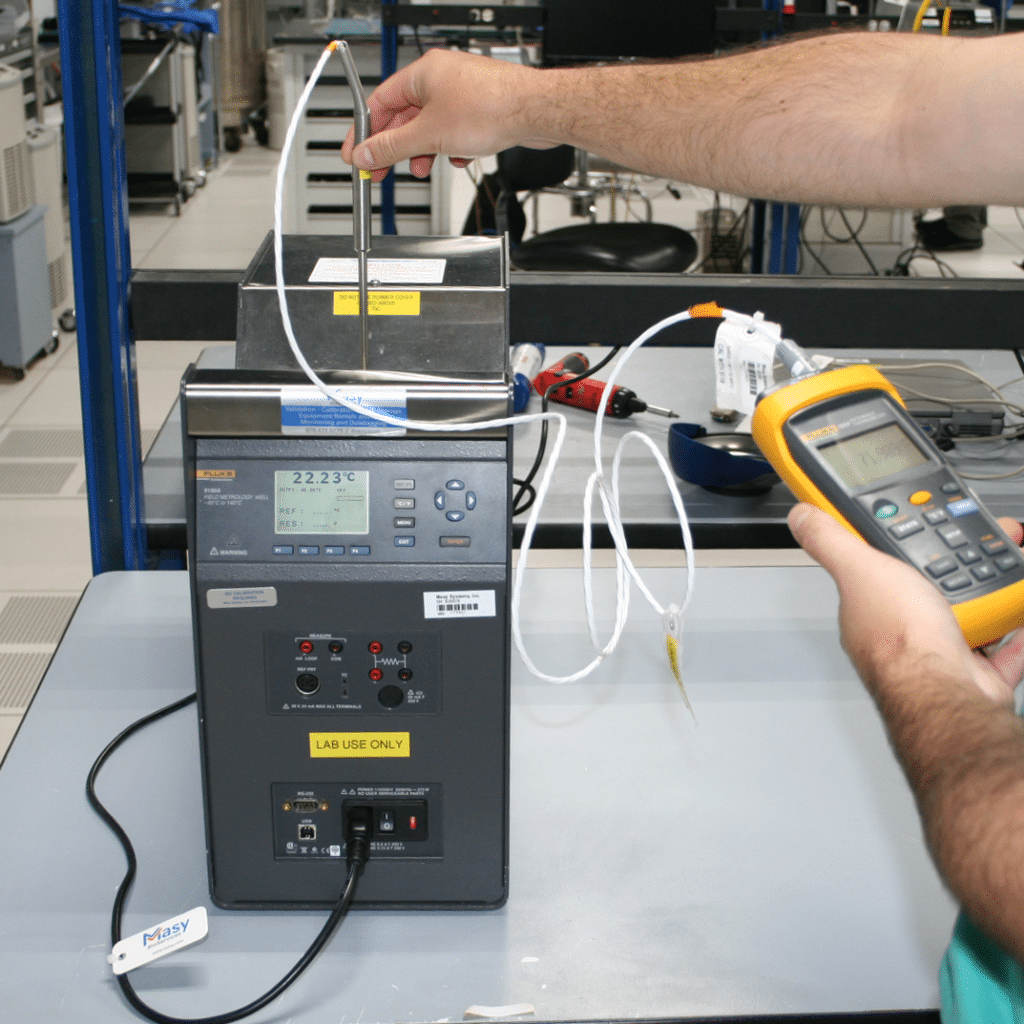
Why temperature measurement matters in industrial and technical environments
Temperature is one of the most frequently monitored physical variables because it directly influences material behavior, chemical reactions, mechanical performance, and electronic reliability. In production lines, it helps maintain repeatable process conditions; in maintenance work, it supports fault detection; and in laboratories, it is often part of controlled test methods and validation routines.
For B2B users, the challenge is not only obtaining a reading but ensuring that the result is relevant to the application. Surface temperature, ambient temperature, internal media temperature, and contact versus non-contact measurement can each require a different approach. Choosing the wrong method may lead to delayed response, inaccurate readings, or poor integration with existing systems.
Common temperature measurement methods and device types
Temperature measurement solutions are typically selected according to the sensing principle, the installation environment, and the level of accuracy required. In practice, users may work with handheld instruments for field inspection, fixed sensors for continuous monitoring, or test and calibration devices for verification tasks.
Contact measurement is commonly used when direct sensor placement is possible and stable thermal contact can be achieved. This approach is often suitable for pipes, tanks, machinery, environmental chambers, and process lines. Non-contact measurement is useful for moving targets, hot surfaces, electrically sensitive areas, or locations where direct access is difficult.
Depending on the task, temperature instruments may be used as standalone devices or as part of a broader instrumentation setup. In many technical workflows, they are paired with related categories such as pressure measurement when evaluating thermal-fluid systems or process equipment.
How to choose the right equipment for the application
The most effective selection process starts with the measurement point itself. Users should consider the temperature range, required response time, installation constraints, contact conditions, and whether the target is solid, liquid, gas, or a radiating surface. Environmental factors such as vibration, dust, moisture, and electromagnetic interference can also affect long-term performance.
Another important factor is the expected level of documentation and traceability. In production quality control or regulated testing environments, buyers often need more than a display value; they may require repeatability, data logging, calibration support, and compatibility with reporting workflows. Where dimensional or visual inspection is also involved, temperature control can complement categories like optical measurement to improve consistency in inspection conditions.
System integration is equally important for industrial users. Some applications prioritize portable diagnostics, while others need signals that can be transmitted to PLCs, HMIs, SCADA systems, or data acquisition platforms. In these cases, device selection should align with the broader automation architecture rather than focusing only on the sensor element.
Typical use cases across industries
In manufacturing, temperature measurement is widely used to supervise heating, cooling, drying, curing, and thermal treatment stages. Stable temperature control helps reduce scrap, avoid equipment stress, and maintain repeatable product quality. It is also central to predictive maintenance, where abnormal heat patterns may indicate overload, friction, insulation breakdown, or airflow problems.
Laboratories and technical service environments rely on temperature measurement for test setup verification, sample conditioning, environmental monitoring, and equipment validation. In food, pharmaceutical, and storage applications, temperature is often monitored to protect sensitive goods and maintain process integrity. HVAC and building systems use temperature data to improve comfort, energy use, and operating stability.
For inspection and service teams, temperature is rarely evaluated in isolation. It is often reviewed together with variables such as dimensions, force, or weight, depending on the process. That is why many users also explore related areas such as length measurement or mass measurement when building a complete measurement workflow.
Leading manufacturers and solution ecosystems
This category may include equipment from established industrial and instrumentation brands such as Advantech, Advanced Energy, Autonics, Chauvin Arnoux, and ANRITSU, depending on the specific product scope available on the page. These manufacturers are widely recognized in industrial electronics, monitoring, control, and measurement environments, where reliable data acquisition and system compatibility are often just as important as the sensing element itself.
Manufacturer selection should be based on application fit, integration needs, service expectations, and the type of deployment environment. For some buyers, communication and control compatibility are the priority; for others, portability, installation flexibility, or multi-parameter instrumentation may be more important. A category page like this is most useful when it helps narrow those priorities before moving into product-level evaluation.
What to look for when comparing temperature measurement options
When comparing devices, it helps to focus on practical buying criteria rather than headline claims alone. The most relevant questions usually include how the sensor will be installed, how often readings must be taken, whether logging or remote communication is needed, and how the instrument will be maintained over time.
- Measurement method: contact or non-contact, portable or fixed installation
- Process suitability: surface, ambient, air, liquid, enclosed equipment, or moving targets
- Data handling: local indication, recording, transmission, or integration into control systems
- Operating environment: industrial, laboratory, field service, or clean technical areas
- Verification needs: calibration support, repeatability, and documentation requirements
These considerations help buyers avoid over-specifying simple applications or under-specifying critical ones. A well-matched instrument not only improves measurement confidence but can also reduce downtime, simplify maintenance, and support more consistent operational decisions.
Supporting accurate measurement over time
Even a suitable instrument needs the right operating practice to deliver dependable results. Sensor placement, thermal contact, stabilization time, and environmental shielding can all influence the reading. In field conditions, users should also account for installation habits, operator consistency, and application-specific limits when interpreting results.
Long-term measurement reliability depends on periodic verification, proper handling, and alignment with the real process conditions. For organizations managing quality systems, maintenance programs, or technical test procedures, investing in appropriate temperature measurement tools supports both day-to-day operations and broader process assurance.
Temperature measurement is a foundational part of industrial monitoring and technical inspection. By choosing equipment that matches the application, environment, and integration needs, buyers can build a more reliable measurement setup that supports process performance, product quality, and informed maintenance decisions.
-
-
-
-
-
-
-
-
-
-
-
-
-
-
-
-
-
-
-
-
-
-
-
-