


Pass box
Moving materials into a controlled area without disrupting cleanliness is a basic but critical part of cleanroom operation. A Pass box helps reduce direct traffic through cleanroom doors, making product transfer safer, cleaner, and easier to manage in pharmaceutical production, electronics assembly, laboratories, and other contamination-sensitive environments.
On this category page, you can explore pass box options used for transferring tools, components, samples, or packaged goods between rooms with different cleanliness requirements. The product range here focuses on practical cleanroom transfer solutions from established manufacturers such as ShiZu and VAF.
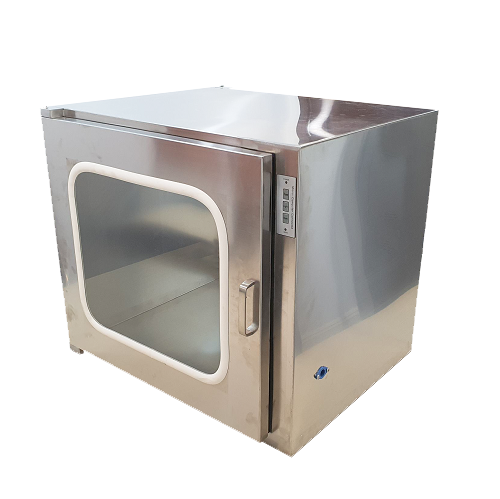
Why pass boxes matter in cleanroom workflows
In controlled environments, every door opening can affect airflow, particle levels, and process stability. A pass box creates an intermediate transfer chamber between two spaces, allowing materials to move through while limiting unnecessary personnel movement and reducing exposure of the clean area to external contamination.
This simple transfer method is especially useful where cleanliness and process consistency must be maintained. It supports better room segregation, lowers the risk of cross-contamination, and helps operators move items efficiently without interrupting broader cleanroom procedures.
Typical construction and operating principle
A standard cleanroom pass box usually includes a chamber with two interlocked doors. In normal operation, both doors cannot be opened at the same time, which helps preserve the separation between cleaner and less clean zones. This interlock function is one of the key reasons pass boxes are widely used in contamination-controlled facilities.
Based on the products listed in this category, common construction features may include powder-coated steel or stainless steel housings, stainless interior surfaces, and structures designed for easy cleaning. These details are important for applications where hygiene, wipe-down maintenance, and surface durability are part of daily operating requirements.
Available pass box sizes and examples
Material size is one of the first factors to consider when choosing a unit. This category includes several compact to larger-format options, such as the VAF V-PC-01, V-PC-02, V-PC-03, and V-PC-04 models, which provide different internal chamber dimensions for different transfer needs. Smaller boxes may suit samples, instruments, or light components, while larger chambers are better for trays, packaged materials, or bulkier items.
For example, the VAF V-PC-01 Pass Box offers a compact internal space, while the VAF V-PC-04 provides a substantially larger chamber for bigger items. The range also includes ShiZu models such as the ShiZu PB-ST01 Cleanroom Pass Box and the ShiZu PB-ST02 Cleanroom Pass Box Two Layers, giving buyers additional choices depending on layout, transfer volume, and operating practice.
How to choose the right pass box
The right model depends on more than chamber size alone. Buyers should consider the dimensions of the items being transferred, the available installation space, cleaning requirements, door access on both sides, and how frequently the unit will be used throughout the day. In facilities with different controlled zones, a well-matched pass box can improve workflow while helping maintain room discipline.
Material selection also matters. Stainless steel surfaces are often preferred where durability, corrosion resistance, and easier sanitation are priorities. If the pass box will be integrated into a broader cleanroom entry or handling process, it may also be useful to review related equipment such as an air shower or a clean bench depending on how personnel, tools, and products move through the workspace.
Common applications across industries
Cleanroom transfer equipment like pass boxes is used anywhere controlled material movement is necessary. In pharmaceutical and medical settings, they can support transfer of packaged materials, tools, and production items between preparation areas and clean processing rooms. In electronics and precision manufacturing, they help move components while limiting airborne particle intrusion into sensitive work areas.
Laboratories and research spaces also benefit from pass boxes when samples, consumables, or instruments need to be handed off between rooms with different environmental requirements. In many cases, the pass box becomes a small but important part of the facility’s contamination-control strategy, working alongside benches, cabinets, and room-entry equipment.
Featured manufacturers in this category
ShiZu and VAF are the main manufacturers represented in this selection. ShiZu models in the category highlight cleanroom-oriented transfer box construction with practical materials and interlocked door operation suitable for routine controlled-area use. VAF models provide multiple size options, which is helpful when the decision is driven by internal chamber dimensions and installation constraints.
Rather than focusing only on brand name, it is usually more useful to compare each unit by transfer volume, chamber dimensions, housing material, and fit with your process. A compact pass box may be the better choice for benches or small clean areas, while a larger model is more suitable when product packaging or tray handling requires more clearance.
Integration with broader cleanroom operations
A pass box works best when it is treated as part of a complete contamination-control workflow rather than as a standalone accessory. Placement, cleaning procedures, operator discipline, and transfer direction all influence actual performance in day-to-day use. When combined with appropriate room zoning and handling procedures, the unit can help reduce avoidable contamination events and improve consistency.
Supporting products may also be relevant depending on the facility. For example, cleaning tools from categories such as dustcloths and mops may be important for routine maintenance, while specialized containment or airflow equipment may be needed in more demanding environments. The right combination depends on your process, room classification, and the items being transferred.
Final considerations
Choosing a suitable pass box for cleanroom transfer starts with understanding what moves through it, how often transfers occur, and how strictly the environment must be controlled. Chamber size, construction material, door interlock design, and overall compatibility with your cleanroom layout should all be reviewed together rather than in isolation.
This category brings together practical options from ShiZu and VAF for facilities that need a reliable way to move materials between controlled spaces. If you are comparing models, start with internal dimensions and cleaning requirements, then narrow your choice based on workflow, installation conditions, and the cleanliness level your operation needs to maintain.
-
-
-
-
-
-
-
-
-
-
-
-
-
-
-
-
-
-
-
-
-
-
-
-