


Velocity of Detonation Meter
Precise timing data is critical when blast performance needs to be verified, compared, or documented with confidence. In mining, quarrying, construction blasting, and related field testing, a Velocity of Detonation Meter helps teams measure how fast a detonation wave travels through an explosive column, giving engineers and technicians a practical basis for quality control, product evaluation, and process validation.
On this category page, buyers can explore instruments used for VOD measurement in demanding environments where reliability, portability, and clear data interpretation matter. Whether the requirement is routine field measurement or more specialized testing work, selecting the right meter starts with understanding the application, test setup, and the level of measurement detail needed.
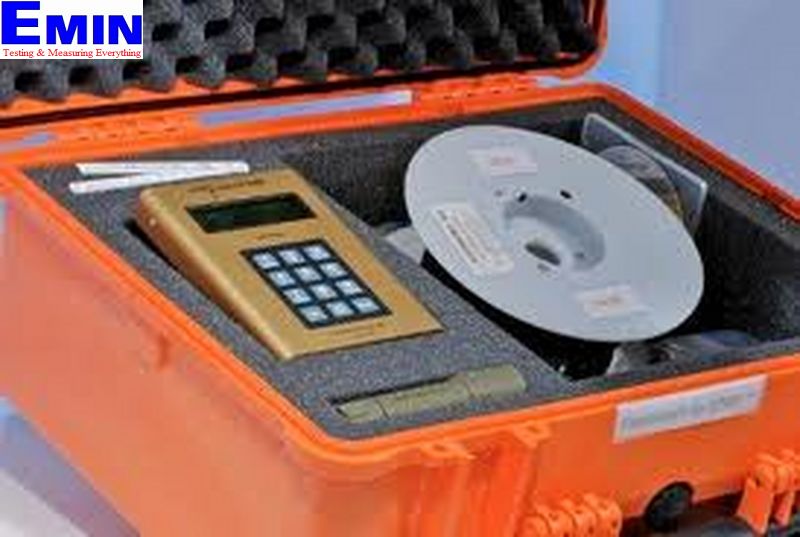
Why velocity of detonation measurement matters
Velocity of detonation, often abbreviated as VOD, is one of the key parameters used to assess explosive performance. It indicates the rate at which the detonation front propagates through the explosive material, and that information can be useful when comparing products, checking consistency between batches, or studying how confinement and charge diameter influence results.
In practical terms, accurate VOD data supports better decision-making in blasting operations and test programs. It can help identify whether a charge is performing within the expected range, whether installation conditions are affecting detonation behavior, and whether further investigation is needed before scaling a product or method into broader field use.
Typical applications for a velocity of detonation meter
These instruments are commonly used in environments where explosive performance must be measured rather than assumed. Typical users include mining contractors, explosives manufacturers, research teams, test laboratories, and engineering groups involved in blast design, verification, or post-test analysis.
Depending on the workflow, a meter may be used during product development, acceptance testing, training exercises, or field troubleshooting. In broader survey and motion-related measurement environments, users may also work with tools such as speed sensors or Doppler radar when monitoring movement, timing, or event velocity in other types of industrial and field applications.
What to consider when choosing the right instrument
The best choice depends on more than the product name alone. Buyers should look at the intended test method, expected detonation velocity range, channel or probe compatibility, data capture approach, field portability, and how results will be exported or reviewed after the test. A unit intended for basic confirmation work may not suit advanced research or high-volume test campaigns.
It is also important to consider the physical conditions of use. Outdoor blast environments can involve dust, vibration, handling stress, and changing weather, so a portable measurement system should be evaluated not only for core measurement capability but also for setup efficiency and day-to-day usability. Clear interfaces, straightforward cable management, and practical accessories can make a meaningful difference in field operations.
Understanding the broader equipment ecosystem
A velocity of detonation meter rarely works in isolation. In real projects, the instrument is part of a wider testing chain that may include probes, signal paths, triggering methods, data logging, and supporting communication equipment for field coordination. For teams working across large sites or multiple blast zones, dependable communications can be just as important as the meter itself, which is why some operations also standardize supporting tools such as walkie-talkie systems.
When evaluating equipment, it helps to think in terms of the complete workflow: preparation, sensor placement, capture, data review, and reporting. This approach leads to more reliable procurement decisions than focusing only on headline specifications.
Manufacturer context and sourcing considerations
This category may include products from recognized industrial and instrumentation brands such as Kontinitro, alongside other manufacturers listed for related measurement needs. Brand selection in this type of equipment is often driven by application fit, available support, familiarity with the test method, and compatibility with the user’s operating procedures.
For B2B buyers, sourcing decisions usually involve more than initial purchase price. Delivery expectations, documentation, training requirements, spare or consumable availability, and long-term maintainability all affect total value. A suitable instrument is one that can be integrated into the user’s existing test practice without unnecessary complexity.
A note on product listings and category relevance
Some marketplaces and industrial catalogs aggregate data from multiple technical sectors, and in some cases individual product records associated with a category may reflect adjacent instrumentation or electrical components rather than a direct example of a VOD meter. For that reason, buyers should use the category as a starting point for application-focused selection and then confirm that the specific listed item matches the intended detonation measurement task.
Where product data is limited, the most effective approach is to review the instrument role, measurement principle, and deployment context before purchase. This is especially important in specialist categories where application accuracy and field suitability matter more than generic catalog placement.
How to evaluate options for field use
Before ordering, it is useful to define the actual operating scenario: laboratory validation, quarry blast checks, mining field trials, or comparative explosive testing. That context influences the preferred balance between ruggedness, ease of transport, setup speed, and data detail. Teams that run frequent tests may prioritize repeatability and efficient data retrieval, while occasional users may value straightforward operation and minimal training overhead.
Documentation requirements should also be considered early. If results will be used for internal quality records, customer reports, or formal testing documentation, the instrument should support a consistent and defensible measurement workflow. In technical procurement, clarity around the testing objective usually leads to a better equipment match than comparing isolated features.
Choosing with confidence
A well-matched Velocity of Detonation Meter supports safer evaluation, better explosive performance analysis, and more reliable field or test documentation. The right choice depends on the measurement objective, the site conditions, and how the instrument fits into the broader test process.
Use this category to narrow down suitable solutions, compare relevant manufacturers, and identify instruments aligned with your application. When the requirement is precise detonation timing rather than general-purpose measurement, selecting with the full workflow in mind will lead to a more dependable result.
-
-
-
-
-
-
-
-
-
-
-
-
-
-
-
-
-
-
-
-
-
-
-
-