


Weight Management & Body Fat Scale
Tracking body weight alone often does not give a complete picture of physical condition. For home health management, clinics, wellness programs, and preventive care routines, devices that measure weight together with body composition can provide more useful insight into changes in fat level, muscle balance, and overall progress over time.
Weight Management & Body Fat Scale products are designed for users who want clearer day-to-day monitoring, whether the goal is basic weight tracking or a broader assessment of body composition. In this category, buyers can find solutions suited to routine household use as well as practical health-monitoring environments where simplicity, repeatability, and readable results matter.
Why body composition measurement matters
A standard scale is useful for checking body weight, but body composition monitoring adds more context to that number. Depending on the device, users may be able to review values such as body fat percentage, visceral fat level, skeletal muscle percentage, BMI, or BMR, helping them understand whether changes in body weight are linked to fat reduction, muscle variation, or other factors.
This makes the category especially relevant for people following weight-control plans, exercise programs, nutritional adjustments, or general wellness routines. In a broader healthcare setting, these devices can also complement other personal monitoring tools such as a blood pressure monitor or a blood glucose meter when users want a more complete view of daily health data.
Typical products in this category
The category includes both basic digital scales and more advanced body composition monitors. A simpler digital scale focuses on accurate and easy body weight measurement, while a body composition model is intended for users who need additional indicators to support long-term tracking.
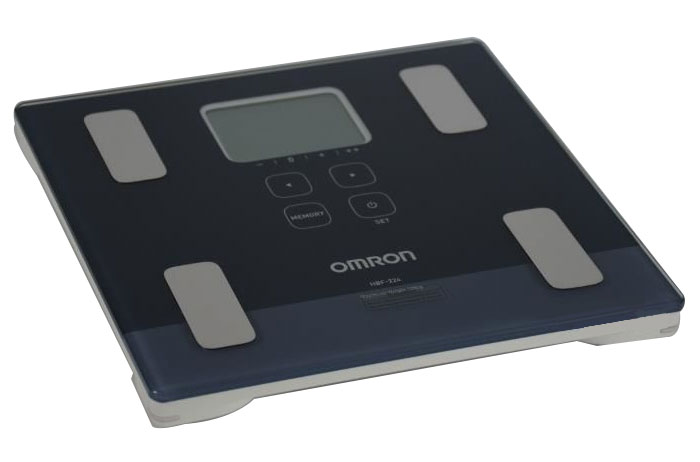
For example, the OMRON HN-289 Digital Body Weight Scale is suitable for straightforward weight checks in a compact format. For users who want deeper analysis, the OMRON HBF-224 Body Composition Monitor BodySCAN™ extends the monitoring function by displaying multiple body condition indicators beyond weight alone.
Key functions buyers usually look for
When selecting a scale for weight management, the most important factors are often not just the measurement range, but also data clarity, ease of use, and consistency in everyday operation. Large, readable displays, stable measurement increments, and a simple step-on process are especially helpful in shared households and light clinical use.
In the body composition segment, buyers often value functions such as multi-user memory, automatic user recognition, and categorized display of body metrics. These features are useful when several people use the same device and want to keep personal records separate without making the daily measurement routine complicated.
Some users also pay attention to suitability for family use. Devices that can support a wider age range and provide practical readouts for regular monitoring may be more appropriate in homes where adults and children both need a convenient tool for periodic assessment.
OMRON options for home and personal health monitoring
OMRON is one of the notable brands represented in this category, with products that fit both basic and more advanced monitoring needs. The brand is widely recognized for personal healthcare devices, which makes it relevant for buyers building a consistent at-home monitoring setup across several product types.
The HBF-224 is a useful example for users who want more than body weight data. Its body composition functions can help support ongoing lifestyle tracking, especially when users want to observe trends in body fat, visceral fat, skeletal muscle percentage, BMI, and metabolic indicators over time rather than relying on a single number.
By contrast, the HN-289 is a practical option for users who mainly need dependable weight measurement in a slim digital format. That difference illustrates an important point in this category: the right model depends less on complexity and more on how much information the user actually plans to review regularly.
How to choose the right scale for your application
Selection usually starts with the intended use case. For simple daily weight tracking, a digital personal scale may be enough. For wellness coaching, fitness follow-up, or family health monitoring, a body composition monitor may offer better value because it provides several indicators in one device.
It is also useful to consider who will use the scale, how often measurements will be taken, and whether multiple users need stored profiles. In shared environments, user recognition and memory functions can make the process faster and reduce confusion between records.
Another practical consideration is readability and operating convenience. Battery type, expected battery life, measurement increment, and overall device dimensions may seem secondary, but these details affect long-term usability in everyday settings. Buyers comparing this category with a standard medical thermometer or other personal health devices often prioritize the same qualities: simple operation, clear results, and dependable repeat use.
Common use cases for weight and body fat scales
These products are commonly used in households that want a regular health-check routine without relying on complicated equipment. They are also relevant for fitness-conscious users who track progress over weeks or months and need more than occasional weight checks.
In addition, body composition scales can support wellness consultations, small clinics, and preventive care programs where quick screening information is helpful. While they do not replace professional diagnostic systems, they can serve as a practical first-line monitoring tool for routine observation and discussion.
For users interested in a broader personal care ecosystem, this category often sits alongside related health-monitoring products such as the weight and body fat scale range itself, blood pressure devices, and temperature monitoring tools, depending on the health parameters being followed.
Making better use of measurement data
A scale becomes more useful when measurements are taken under consistent conditions. Similar timing, stable placement on a flat surface, and a regular tracking schedule help produce readings that are easier to compare over time. This is especially important for body composition devices, where trends are generally more meaningful than isolated results.
Users should also choose a device that matches their real monitoring goals. If the need is basic and occasional, a digital weight scale may be the most efficient choice. If the goal is more structured lifestyle management, then a model with body composition analysis can provide richer information for long-term follow-up.
Conclusion
This category is well suited to buyers looking for practical health-monitoring tools that support routine weight control and broader body assessment. Whether the requirement is a simple digital scale or a more capable body composition monitor, the focus should remain on ease of use, relevant measurement functions, and suitability for the user’s daily environment.
By choosing a device that aligns with actual monitoring needs, users can make weight and body composition data more meaningful and easier to act on. That leads to a more effective health-tracking routine, whether at home, in wellness support settings, or as part of a wider personal monitoring setup.
-
-
-
-
-
-
-
-
-
-
-
-
-
-
-
-
-
-
-
-
-
-
-
-