


Cold trap bath
Low-temperature vapor capture is often essential when a process needs to protect a vacuum pump, recover condensable solvents, or keep moisture from interfering with analytical and preparation work. A cold trap bath supports that role by creating a controlled cold zone where vapors condense before they reach downstream equipment.
In laboratory workflows, these systems are commonly used alongside evaporation, drying, concentration, and vacuum applications. This category brings together compact cold trap bath solutions for users who need dependable low-temperature performance, practical bath capacity, and equipment that fits into routine lab operation without unnecessary complexity.
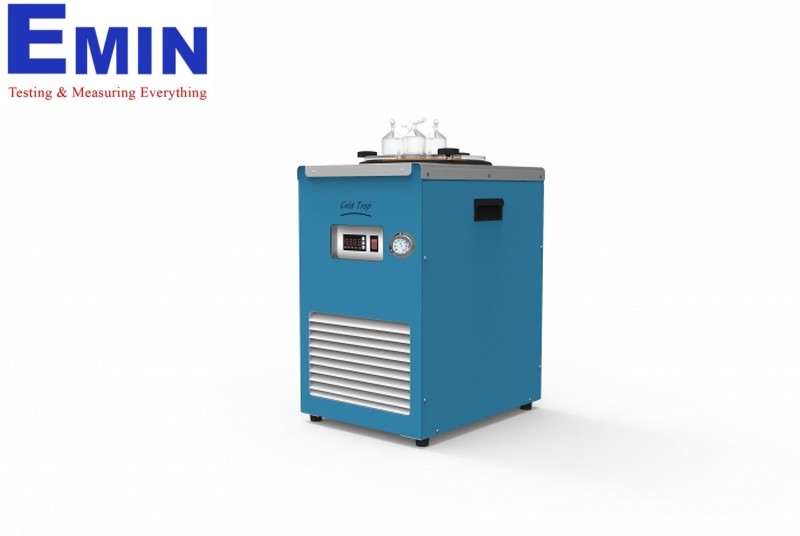
Where cold trap baths fit in laboratory work
A cold trap bath is typically selected when vapors such as water or solvents must be condensed before entering a vacuum line or pump. This helps reduce contamination, improves process stability, and can extend the service life of connected equipment. In many setups, the cold trap becomes an important part of the overall vacuum and sample-handling system rather than a standalone device.
Depending on the process, users may need moderate cooling for routine moisture control or much lower temperatures for more demanding solvent trapping. That is why this category includes systems with a wide range of cooling performance, from mid-range low-temperature operation to deep-cooling models approaching -80°C class performance.
Common configurations in this category
The products shown here illustrate several practical design approaches. Bath-style units from DaiHan and WITEG are suited to users looking for a controlled bath chamber with glass trap arrangements, digital operation, and compact bench-friendly dimensions. These models are relevant for labs that value a structured, repeatable setup for routine low-temperature trapping tasks.
TAITEC models in the range highlight another approach, focusing on dedicated cold trap performance with different cooling levels and trapping capacities. Examples such as the TAITEC VA-250F, VA-500R, and VA-800R show how users can choose based on required temperature and expected condensate load rather than looking only at overall equipment size.
For broader lab setups, cold trap selection may also be considered alongside related support equipment and accessories in the wider laboratory equipment ecosystem, especially when planning complete sample preparation or vacuum workflows.
Temperature range and trapping performance
One of the first selection criteria is the required operating temperature. For example, models such as the WITEG WCT-40 or DaiHan WCT-40 cover applications in a more moderate low-temperature range, while the WCT-80 versions from both brands are better aligned with processes that require significantly colder conditions. In practical terms, lower temperature capability can improve condensation efficiency for vapors that do not trap effectively in warmer baths.
TAITEC units also show how cooling performance and trapping rate may vary by model. The VA-250F is positioned around -45℃ operation, while the VA-500R and VA-800R reach substantially lower temperatures with larger or heavier-duty configurations. For users handling higher vapor loads, this distinction is important because trapping volume and cooling reserve can influence real operating stability over time.
Construction details that matter in day-to-day use
In laboratory environments, the practical value of a cold trap bath often comes from details that affect maintenance, cleaning, and operator convenience. Several bath-style models listed in this category use stainless-steel internal construction, digital displays, and controller layouts intended for straightforward monitoring and adjustment. Features such as drain valves and insulated housings are also relevant because they simplify handling of condensate and help maintain temperature efficiency during use.
Some models use glass trap configurations, which can be useful where visual confirmation of condensate collection is desirable. The availability of spare glass trap accessories for certain WITEG units is also worth noting for laboratories that need to keep consumable or replaceable parts on hand to reduce downtime.
How to choose the right unit for your application
The best starting point is the process itself: what vapor is being trapped, how much of it is expected, and what minimum temperature is required to condense it effectively. If the application is routine moisture or solvent protection in a standard lab workflow, a 10 L bath-style system may be a practical fit. If the process involves heavier condensable load or lower boiling components, a colder or higher-capacity dedicated trap may be more appropriate.
It is also important to check the electrical requirement and installation environment. Some TAITEC models in this category use AC100V input and may require a step-down transformer, while other systems are configured for AC 230V or AC 120V depending on model version. For procurement teams and lab managers, this is a basic but critical compatibility point before final selection.
Where vacuum operation is part of the workflow, users may also evaluate related devices such as the TAITEC Q-1 Aspirator for supporting liquid-driven suction applications. In some cases, it is useful to review adjacent manufacturer ranges such as other DaiHan laboratory products when standardizing equipment by supplier.
Representative products in this category
Several models provide a good overview of the available range. The WITEG WCT-80 Cold Trap Bath is a strong example of a compact 10 L bath designed for deep low-temperature operation, while the WCT-40 version supports applications that do not need such an extreme temperature range. These two options are useful reference points for comparing cooling requirement versus power demand.
On the DaiHan side, the WCT-80 Digital Precision Cold Trap Bath and WCT-40 Digital Precision Cold Trap Bath reflect a similar format with digital control and safety-oriented design elements. TAITEC products such as the VA-250F, VA-500R, and VA-800R broaden the category by offering dedicated cold trap choices with different chamber sizes and trapping capacities, helping users align equipment choice with actual condensate load and process scale.
Points to review before ordering
Before purchasing, it is worth confirming a few practical items: target temperature, expected vapor load, bath or chamber volume, available power supply, and whether the application benefits from visible glass trap components or a more dedicated cold trap chamber design. Physical footprint and equipment weight should also be checked, especially for benches with limited space or where the unit must be moved occasionally.
Users should also think about the broader operating setup, including tubing size, inlet connection requirements, condensate handling, and compatibility with the vacuum source. A well-matched cold trap bath does more than cool effectively; it contributes to a cleaner, more reliable, and easier-to-maintain process line.
Conclusion
This category is designed for laboratories that need reliable low-temperature vapor trapping across a range of operating conditions. Whether the priority is a compact 10 L bath-style system from DaiHan or WITEG, or a dedicated TAITEC cold trap selected by cooling level and trapping capacity, the right choice depends on process temperature, condensate load, electrical compatibility, and day-to-day usability.
By comparing these factors carefully, buyers can select a cold trap bath that supports stable vacuum work, protects connected equipment, and fits naturally into the lab’s existing workflow.
-
-
-
-
-
-
-
-
-
-
-
-
-
-
-
-
-
-
-
-
-
-
-
-