


Knifes Grinder
In cutting operations, edge quality has a direct impact on productivity, material finish, and tool life. When blades become dull, cutting force increases, heat builds up more quickly, and process consistency starts to drop. A dedicated Knifes Grinder category is therefore relevant for workshops and industrial users that need to maintain sharp cutting edges instead of replacing blades too often.
This product group is commonly associated with blade maintenance, reconditioning, and support for repeatable cutting performance across production environments. Whether the application involves general workshop tools or machine-integrated cutting components, selecting the right grinding solution starts with understanding blade type, sharpening frequency, and the role of replacement blades within the overall maintenance workflow.
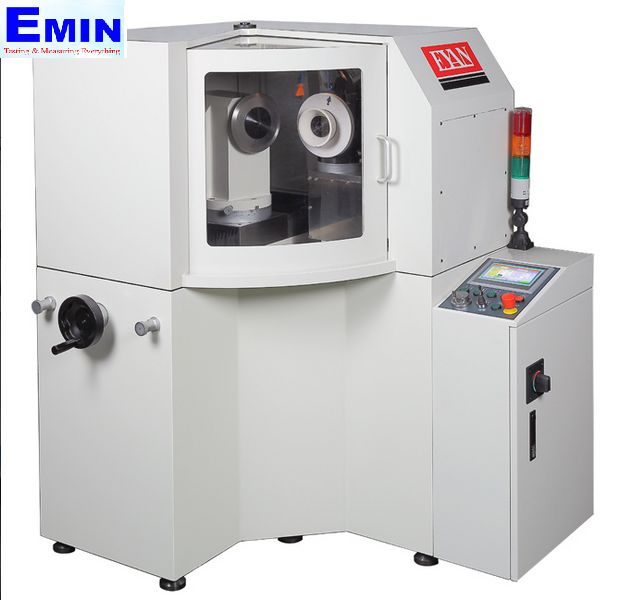
Why knife grinding matters in industrial use
Blade condition influences more than just cutting sharpness. In many industrial processes, a worn or damaged edge can lead to rough cuts, unstable feed behavior, excess scrap, or unnecessary strain on the machine. A properly matched grinding setup helps restore the cutting profile and supports more stable operation over time.
For many users, grinding is part of a broader maintenance strategy rather than an isolated task. Instead of treating blades as fully disposable, maintenance teams often combine sharpening, inspection, and replacement planning to keep production efficient. This approach is especially useful where cutting tools are used repeatedly and downtime carries a real operational cost.
Typical applications for this category
Knife grinding equipment is relevant in environments where blades are used regularly and edge condition affects output quality. This can include packaging, trimming, bench work, general fabrication, and material processing tasks where cutting accuracy and clean separation are important.
It can also complement adjacent production equipment. For example, operations that rely on clean material preparation may also use systems such as heat shrinking machines or paper processing machinery, where blade performance contributes to reliable downstream handling. In these settings, sharpening and blade replacement are both practical parts of routine maintenance.
How to evaluate a knife grinder for your workflow
The most important starting point is the blade geometry you need to maintain. Different blades may require different grinding angles, contact methods, or handling approaches. Buyers should also consider the volume of sharpening work, the level of repeatability required, and whether operators need a simple maintenance tool or a more controlled grinding process.
Another useful factor is how the grinder fits into your maintenance cycle. Some teams sharpen blades preventively at scheduled intervals, while others grind only when cut quality begins to degrade. If replacement parts are also part of the process, it helps to choose a workflow that balances sharpening time, spare blade availability, and the cost of consumables.
Replacement blades and sharpening: how they work together
This category is closely connected to the practical use of replacement blades. In many facilities, sharpening does not eliminate the need for spare parts; instead, both are used together. Grinding helps extend service life, while replacement blades ensure continuity when an edge is too worn, chipped, or unavailable for immediate rework.
Examples in this ecosystem include the REN THANG CF360-E55 Cutting blade, the REN THANG CF360-E56 Cutting blade, and the Proskit 5PK-502-B Replacement Blade. These products illustrate the kind of blade support items users may rotate through maintenance stock while grinder-based sharpening remains part of day-to-day tool management.
Representative brands in this category
Among the notable names associated with this product space are Proskit and REN THANG. These brands are relevant when users are looking not only for blades, but also for a broader maintenance ecosystem that includes replacement components and practical workshop support.
Brand selection should be based on application fit rather than name recognition alone. For B2B buyers, the more useful questions are whether the blade format matches the installed equipment, whether replacement parts are easy to source, and whether the maintenance routine can be standardized across multiple tools or stations.
Operational considerations before purchase
When reviewing knife grinding solutions, it is helpful to think beyond the grinder itself. Consider operator handling, sharpening frequency, storage of sharpened and worn blades, and basic inspection criteria for edge wear. Even a simple improvement in maintenance discipline can reduce unnecessary blade disposal and improve process consistency.
In some production environments, knife maintenance is also influenced by utilities and machine conditions around the line. Stable air supply from compressed air treatment equipment, for example, may support cleaner and more reliable operation in pneumatic systems connected to cutting processes. Looking at the broader operating context often leads to better equipment decisions.
Choosing the right solution for long-term use
A suitable knife grinder should support the actual cutting tasks performed in your facility, not just the broad category label. That means considering the kinds of blades you use, how often they need service, and whether your process benefits more from in-house sharpening, stocked replacement blades, or a combination of both.
For buyers comparing options in the Knifes Grinder category, the best approach is usually a practical one: match the equipment to blade type, maintenance workload, and production expectations. With the right setup, sharpening becomes a controlled part of operations rather than a reactive fix, helping maintain cutting quality and reduce avoidable interruptions.
-
-
-
-
-
-
-
-
-
-
-
-
-
-
-
-
-
-
-
-
-
-
-
-