


SF6 Gas Analyzer
Accurate SF6 condition assessment is essential when working with gas-insulated switchgear, breakers, and related high-voltage assets. In day-to-day maintenance, teams are not only checking whether gas is present, but also whether its purity, moisture level, and decomposition by-products remain within acceptable operating limits. That is where the SF6 Gas Analyzer category becomes especially relevant for utilities, service providers, and industrial test environments.
This category brings together instruments used for gas quality verification, leak detection, and field diagnostics. Depending on the maintenance task, the right solution may be a portable analyzer for multi-parameter testing, a dew point tester for moisture control, or a leak detection device for fast inspection around fittings, valves, and enclosures.
Why SF6 testing matters in electrical maintenance
SF6 is widely used in high-voltage equipment because of its insulating and arc-quenching properties. However, gas quality can change over time due to moisture ingress, contamination, leakage, or by-products generated during switching events. If these conditions are not monitored, they can affect insulation performance, maintenance planning, and overall asset reliability.
Routine analysis helps maintenance teams verify whether the gas can remain in service, requires treatment, or should be replaced. In practice, this often means checking several parameters together rather than relying on a single reading. For broader electrical diagnostics, some users also pair gas analysis with tools such as a capacitance and tan delta meter when assessing insulation condition from multiple angles.
Main types of instruments in this category
The category covers more than one testing approach. A full-featured analyzer is typically used when technicians need combined measurement of moisture, purity, and decomposition products in one workflow. Models such as the EPHIPOT EPFZ-III SF6 Gas Analyzer and EPHIPOT EPFZ-301 Automatic SF6 Gas Analyser are examples of portable systems designed for multi-parameter field testing.
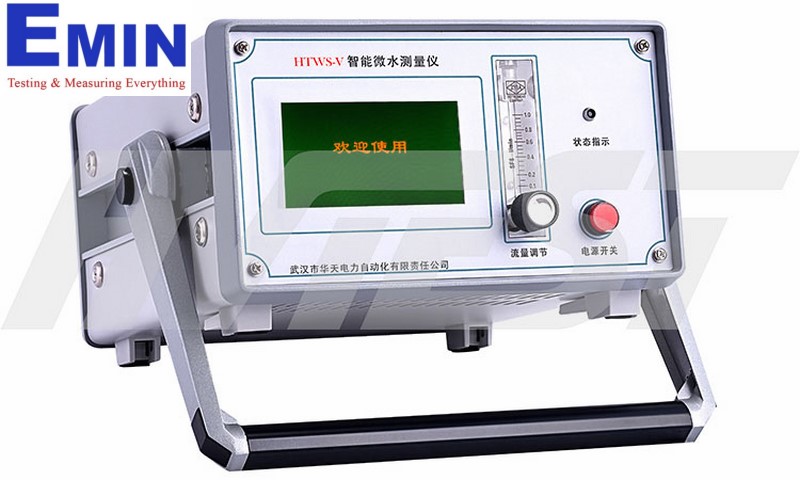
For more focused tasks, dedicated instruments may be the better fit. The EPHIPOT EPWS and EPWS+ target dew point measurement, while the EPHIPOT EPDP is intended for SF6 concentration or purity checks. This separation can be useful for teams that already know which parameter is most critical in their maintenance procedure.
Leak inspection is another important segment. The GasQuip GQ-IRLD, TIF XP-1A Handheld SF6 Leak Detector, FLIR GF306, and Advanced Energy Innova 3731 represent different leak detection methods, from handheld sniffing to optical gas imaging and fixed or semi-fixed monitoring approaches.
Choosing between gas quality analysis and leak detection
Although they are often grouped together in procurement searches, gas analyzers and leak detectors solve different problems. A gas analyzer evaluates the condition of the gas sample itself, helping users understand whether moisture, purity, or decomposition values indicate acceptable service condition. This is especially important during commissioning, periodic maintenance, or after a fault event.
A leak detector, by contrast, helps locate where gas may be escaping. Handheld sniffers are practical for close-range inspection around joints and connectors, while optical gas imaging can help visualize emissions from a distance. In many maintenance programs, both tool types are complementary rather than interchangeable.
Teams working on broader high-voltage acceptance or preventive maintenance may also use these devices alongside withstand voltage test equipment to build a more complete view of equipment condition before return to service.
Typical measurement parameters to look for
When comparing instruments in this category, the first step is to match the device to the parameter that actually drives your maintenance decision. The most common one is dew point, which indicates moisture content and is closely related to insulation performance inside gas-filled equipment. Portable moisture testers are often selected when humidity control is the primary concern.
Purity measurement is also a common requirement, especially after gas handling, refill, or service operations. A purity tester helps confirm the concentration of SF6 in the sample rather than simply detecting its presence. For deeper diagnostics, multi-function analyzers can additionally measure decomposition gases such as SO2 and related by-products, which may indicate gas degradation or internal arcing history.
Some users also prioritize operational details such as sampling time, pressure handling, battery operation, touch interface, USB export, or onboard data storage. The GasQuip GQ-FLEX, for example, is positioned as a modular gas analyzer with portable field-oriented design, while several EPHIPOT instruments emphasize rechargeable operation and compact transport for on-site work.
Examples of solutions across different workflows
For portable, all-in-one gas assessment, EPHIPOT analyzers such as the EPFZ-III and EPFZ-301 are suitable when technicians want to measure multiple SF6 condition parameters in one visit. This type of workflow is useful for maintenance contractors and utility service teams that need a single instrument for routine inspection across different substations.
Where leak localization is the main task, the selection depends heavily on inspection method. The GasQuip GQ-IRLD and TIF XP-1A are handheld options for direct leak searching, while the FLIR GF306 from FLIR supports optical gas imaging for visual detection in more complex field situations. For continuous or multi-point leak monitoring concepts, the Advanced Energy Innova 3731 from Advanced Energy fits a different operational model than a portable field sniffer.
If your process centers on gas quality rather than only leak finding, it is often useful to review the broader range of dedicated SF6 gas analyzers available in this category and compare whether a single-parameter or multi-parameter platform better matches your maintenance routine.
Selection factors for B2B buyers
In industrial and utility purchasing, the best choice usually depends less on brand name alone and more on the actual service scenario. Start with the type of equipment being maintained, the expected testing frequency, and whether your team needs spot checks, commissioning support, or periodic route-based inspection. A compact handheld detector may be enough for leak tracing, while a service department responsible for gas quality records may need a more complete analyzer with export and documentation functions.
It is also worth considering how the instrument fits into the rest of your test ecosystem. Companies that already perform insulation and cable diagnostics may combine gas analysis with assets such as a VLF tester or other electrical test tools depending on the application. For field teams, portability, pressure compatibility, accessory availability, and simple sampling procedures can be just as important as the measurement range itself.
Applications commonly served by this category
SF6 testing instruments are commonly used in power transmission and distribution maintenance, substation service, switchgear inspection, breaker servicing, and asset condition assessment. They are also relevant for commissioning work after installation, follow-up verification after repair, and leak investigation during routine rounds.
Because the category includes both analyzers and leak detection instruments, it can support multiple stages of the maintenance cycle: verifying gas condition before intervention, checking for leakage during troubleshooting, and documenting post-service results after gas handling or repair. This makes the category particularly useful for technical buyers looking for practical solutions rather than a single device type.
Finding the right fit for your testing process
The right instrument depends on whether you need to measure gas quality, locate leaks, or combine both tasks in a broader maintenance workflow. Dedicated dew point or purity testers can be efficient for targeted checks, while multi-parameter analyzers support more complete diagnostics in the field. Leak detection options, from handheld sniffers to optical imaging systems, serve a different but equally important role in SF6 asset management.
By comparing measurement purpose, portability, sampling workflow, and data handling needs, buyers can narrow the selection to the tools that genuinely match their service environment. This category is designed to support that process with practical options for utility, industrial, and electrical testing applications.
-
-
-
-
-
-
-
-
-
-
-
-
-
-
-
-
-
-
-
-
-
-
-
-